Source industrial solar panel clips for Roof, Ground, and Home
Find 30 industrial solar panel clips from verified suppliers in China. Buyers can compare specifications, certifications, and pricing for roof and ground mounting applications.
Key considerations
Products List


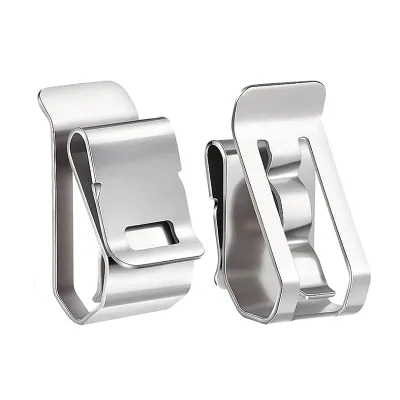

Comprehensive Sourcing Guide
Strategic Sourcing Guide for Industrial Solar Panel Clips
The procurement of industrial solar panel clips represents a critical decision point in the lifecycle of any solar energy installation. These components, often categorized under broader terms like solar bracket systems or mounting accessories, serve as the fundamental interface between the photovoltaic array and the structural support system. For buyers operating in the commercial and industrial sectors, the selection process must move beyond simple price comparisons to a rigorous evaluation of material integrity, load-bearing capacity, and regulatory compliance. The following guide outlines the essential factors for sourcing these components effectively, grounded in observed market data and technical requirements.
Technical Specifications and Material Integrity
The primary function of an industrial solar clip is to secure panels against dynamic environmental forces, including high winds and heavy snow loads. When evaluating potential suppliers, buyers must scrutinize the material composition, as this dictates the longevity and structural reliability of the assembly. The market data indicates a prevalence of steel and stainless steel as the primary materials for these components. Specifically, stainless steel grades such as A2-70 are frequently cited, offering a balance of corrosion resistance and tensile strength suitable for harsh outdoor environments.
Load capacity is another non-negotiable technical parameter. Observed specifications for similar industrial-grade mounting systems indicate wind load resistance up to 60 meters per second and snow load capacities reaching up to 1.4 kN/m². These figures are not universal; they vary by product model and design. For instance, specific models like the YL-CC series or YL-GC series demonstrate varying standard dimensions, such as 1821mm, 3032mm, or 10X10X10cm, which directly influence their application scope. Buyers must verify that the specific clip model selected matches the structural requirements of their project site. The mounting type is equally critical; systems are designed for either roof mounting or ground mounting, with some units offering dual functionality via roof rails or ground rails.
Surface treatment also plays a pivotal role in performance. While some products are listed with a "clean" surface finish, others undergo specific treatments like anodizing to enhance durability. The color of the component, often described as natural or silver, is a secondary aesthetic consideration but may impact thermal absorption in specific architectural contexts. It is imperative for procurement teams to request detailed technical datasheets that explicitly state the maximum wind and snow loads for the specific clip model, rather than relying on general product descriptions.
Compliance and Certification Verification
In the industrial sector, regulatory compliance is a prerequisite for project approval and insurance coverage. Buyers must ensure that the solar clips and associated mounting systems carry recognized international certifications. The supply chain data highlights the presence of CE, TUV, ISO, and GB certifications. These marks indicate that the product has undergone testing for safety, quality management, and performance standards relevant to the European and Chinese markets.
The distinction between different certification levels is vital. For example, while some listings mention CE and ISO, others include TUV and GB standards, suggesting a broader scope of compliance. Buyers should not assume that a product with a CE mark automatically meets local building codes in their specific region. Instead, they must verify that the supplier can provide valid, up-to-date certification documents that correspond to the specific product model being purchased. The presence of these certifications should be cross-referenced with the project's engineering requirements. Furthermore, the standard dimensions and specifications, such as the 1821mm or 3032mm profiles, must align with the testing parameters used to obtain these certifications. A mismatch between the certified model and the ordered model can void compliance status, leading to significant legal and safety liabilities.
Cost Drivers and Pricing Structures
Understanding the cost structure of industrial solar clips requires an analysis of multiple variables beyond the unit price. The observed price range in the market spans from $0.01 to $3.50 USD, a wide disparity that reflects differences in material grade, manufacturing complexity, and order volume. The primary cost driver is the material; stainless steel clips, particularly those in the A2-70 grade, command a higher price point compared to standard steel alternatives due to superior corrosion resistance and longevity.
Minimum Order Quantity (MOQ) is another significant factor influencing the effective cost per unit. Market observations show MOQs ranging from as low as 10 pieces to as high as 20,000 pieces. For small-scale commercial projects or pilot installations, suppliers with lower MOQs (e.g., 10 to 500 pieces) are essential, though they may carry a higher per-unit cost. Conversely, large-scale industrial deployments benefit from economies of scale, where ordering in bulk (e.g., 1,000 to 20,000 pieces) significantly reduces the unit price. Buyers must calculate the total landed cost, including shipping and handling, to determine the true economic viability of a supplier. Additionally, customization options, which are widely available in the market, can introduce variable costs. Customized tilt angles or specific dimensions may increase the unit price but can optimize the overall system efficiency, potentially offsetting the initial investment.
Typical Applications and Installation Contexts
The application of industrial solar clips varies significantly based on the installation site and the nature of the project. The market data identifies three primary application categories: commercial, industrial, and home. Commercial applications often involve large-scale rooftop installations where weight distribution and wind resistance are paramount. Industrial sites, such as manufacturing plants or warehouses, may require heavy-duty clips capable of withstanding extreme environmental conditions. Residential projects, while smaller in scale, still demand high reliability to ensure long-term performance.
The installation site is a critical determinant in clip selection. Products are designed for roof mounting, ground mounting, or a combination of both. Roof-mounted systems often utilize rail-based configurations, whereas ground-mounted systems may require different anchoring mechanisms. The specific model, such as the YL-CC-03 or YL-GC-01, is often tailored to these specific mounting types. Buyers must ensure that the selected clips are compatible with the existing racking system or the intended ground structure. The ease of installation is also a key consideration; products marketed with advantages like "easy installing" can reduce labor costs and installation time, which is particularly beneficial for large-scale projects. However, the claim of ease of installation should be validated through technical drawings or on-site demonstrations to ensure it aligns with the actual complexity of the project.
Supplier Evaluation and Supply Chain Reliability
Selecting a reliable supplier is as important as selecting the right product. The supply chain data indicates that manufacturers are primarily located in Fujian, Xiamen, and Zhejiang, China. While these regions are known for manufacturing capabilities, buyers must conduct due diligence to verify the supplier's production capacity and reliability. The supply ability is a key metric, with some suppliers claiming a capacity of 500,000 watts per week. This figure suggests a robust production line capable of handling large orders, but it should be verified against the supplier's actual factory size and workforce.
Lead times are another critical factor in supplier evaluation. Observed delivery times can vary, with some suppliers offering a 7-day turnaround for standard orders. However, for customized products or large bulk orders, lead times may extend significantly. Buyers should establish clear expectations regarding delivery schedules and include penalties for delays in their contracts. Packaging is also a consideration; products are typically shipped in carton boxes or paper boxes, with quantities ranging from 300 pieces per box to larger bulk shipments. Proper packaging ensures that the clips arrive without damage, which is crucial for maintaining product integrity. Buyers should request samples to evaluate the quality of packaging and the condition of the products upon arrival.
Quality Control and Long-Term Procurement Considerations
Quality control is the final safeguard against procurement risks. Buyers must implement a rigorous inspection process that includes verifying material grades, surface treatments, and dimensional accuracy. The presence of certifications like CE, TUV, and ISO provides a baseline for quality, but on-site testing or third-party inspections may be necessary for large orders. The standard dimensions, such as 35X30X18 cm for packaging or specific clip profiles, must be strictly adhered to. Any deviation can lead to installation failures or structural compromises.
Long-term procurement considerations involve the lifecycle cost of the components. While stainless steel clips may have a higher upfront cost, their resistance to corrosion and ability to withstand high wind and snow loads can result in lower maintenance costs and a longer service life. Buyers should also consider the availability of spare parts and the supplier's ability to provide consistent quality over time. The customization options available in the market allow for tailored solutions that can adapt to changing project requirements, but these must be managed carefully to avoid supply chain disruptions. By focusing on these factors, buyers can ensure a sustainable and reliable supply of industrial solar panel clips that meet the demanding requirements of modern solar energy projects.
FAQs
What certifications do industrial solar panel clips typically have?
Industrial solar panel clips typically carry CE, TUV, ISO, and GB certifications. These marks indicate compliance with safety and quality standards for European and Chinese markets, but buyers must verify documents match the specific product model ordered.
Which materials are used for industrial solar panel clips?
These clips are primarily made from steel or stainless steel, with A2-70 grade being a common specification. Stainless steel offers superior corrosion resistance and tensile strength suitable for harsh outdoor environments compared to standard steel alternatives.
Can industrial solar panel clips be customized for specific projects?
Yes, customization is available for industrial solar panel clips to meet unique project needs. Buyers can request specific dimensions, tilt angles, or surface treatments like anodizing, though this may affect the unit price and lead time.
How much wind and snow load can these clips withstand?
Industrial solar panel clips can withstand wind loads up to 60 meters per second and snow loads up to 1.4 kN/m². These capacities vary by model, so buyers must confirm the specific ratings for the selected product.
What is the minimum order quantity for industrial solar panel clips?
The minimum order quantity ranges from 10 pieces to 20,000 pieces depending on the supplier. Lower MOQs suit small projects, while bulk orders for large deployments benefit from economies of scale and reduced unit costs.
Where are manufacturers of industrial solar panel clips located?
Manufacturers are primarily located in Fujian, Xiamen, and Zhejiang, China. Buyers should verify the specific origin of the product to ensure it aligns with their logistics requirements and to assess the supplier's production capacity.
How long does delivery take for industrial solar panel clips?
Delivery times can be as short as 7 days for standard orders. However, customized products or large bulk orders may require longer lead times, so buyers should establish clear expectations and include penalties for delays in contracts.